Booking choice: The nurse shark, reef and sandbank trip, ★ 4.8 (112). Check dates Compare the options below
Unless you stay at a resort with its own house reef, snorkeling in the Maldives means a boat. The city islands of Malé and Hulhumalé and guesthouse islands such as Maafushi sit beside busy harbours and lagoons, and the reefs worth seeing are a short ride away, so the trip you book decides what you see.
This guide compares the six snorkel trips on this site, answers the questions beginners ask, and is honest about the coral. Whale sharks are covered in swimming with whale sharks, and the Hanifaru mantas in manta rays and Hanifaru Bay. If you have never snorkeled, first dive, snorkel or submarine sets out the gentlest ways to start.
The quick answer
Six trips from three starting points. From Malé or Hulhumalé: the nurse shark, reef and sandbank trip (3 hours, 4.8 from 112 reviews), the stingrays and three reefs snorkel (3 hours, for confident swimmers), the Hulhumalé full-day boat trip (6 hours, with an island lunch) and the Villimalé island walk and snorkel (3.5 hours, swimmers aged 10 and over). From Maafushi: the sharks, rays and dolphins day (7 hours) and the coral garden and turtle trip (4 hours). All are guided, with masks, fins and life vests, and on most of them non-swimmers join with a life vest and a guide beside them. Nurse sharks are slow, calm and safe to snorkel near: no touching and no feeding. Bring mineral sunscreen and a rash vest, and seasickness tablets if you are prone.
Is it safe to snorkel in the Maldives for beginners?
Yes. Snorkel trips here are guided, start in calm lagoons and sheltered reef spots, and crews hand out life vests, masks and fins. Most visitors, including beginners, enjoy them comfortably.
On the nurse shark, reef and sandbank trip from Malé, a snorkel guide swims with the group and a lifeguard watches from the boat, and reviewers describe it as very safe, with small groups and staff who reassure weak swimmers. Guides pick sheltered spots and brief you before each swim, and the water is warm, about 27 to 30 °C all year. Tell the crew your swimming level when you board, wear the life vest if you are unsure, and stay with the group.
The boat ride can be bumpy on a windy day; one reviewer suggests seasickness tablets, which is good advice if you are prone.
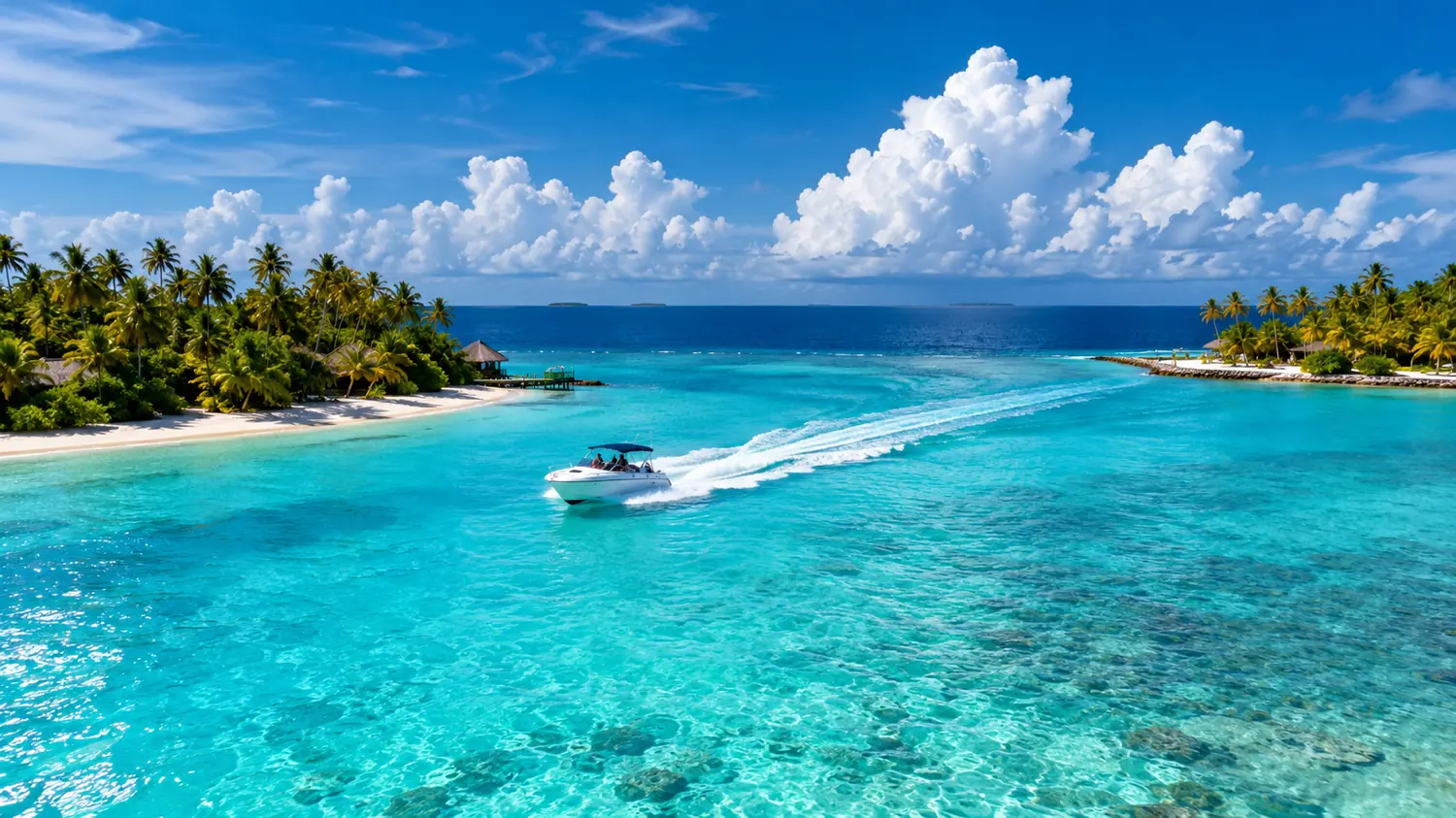
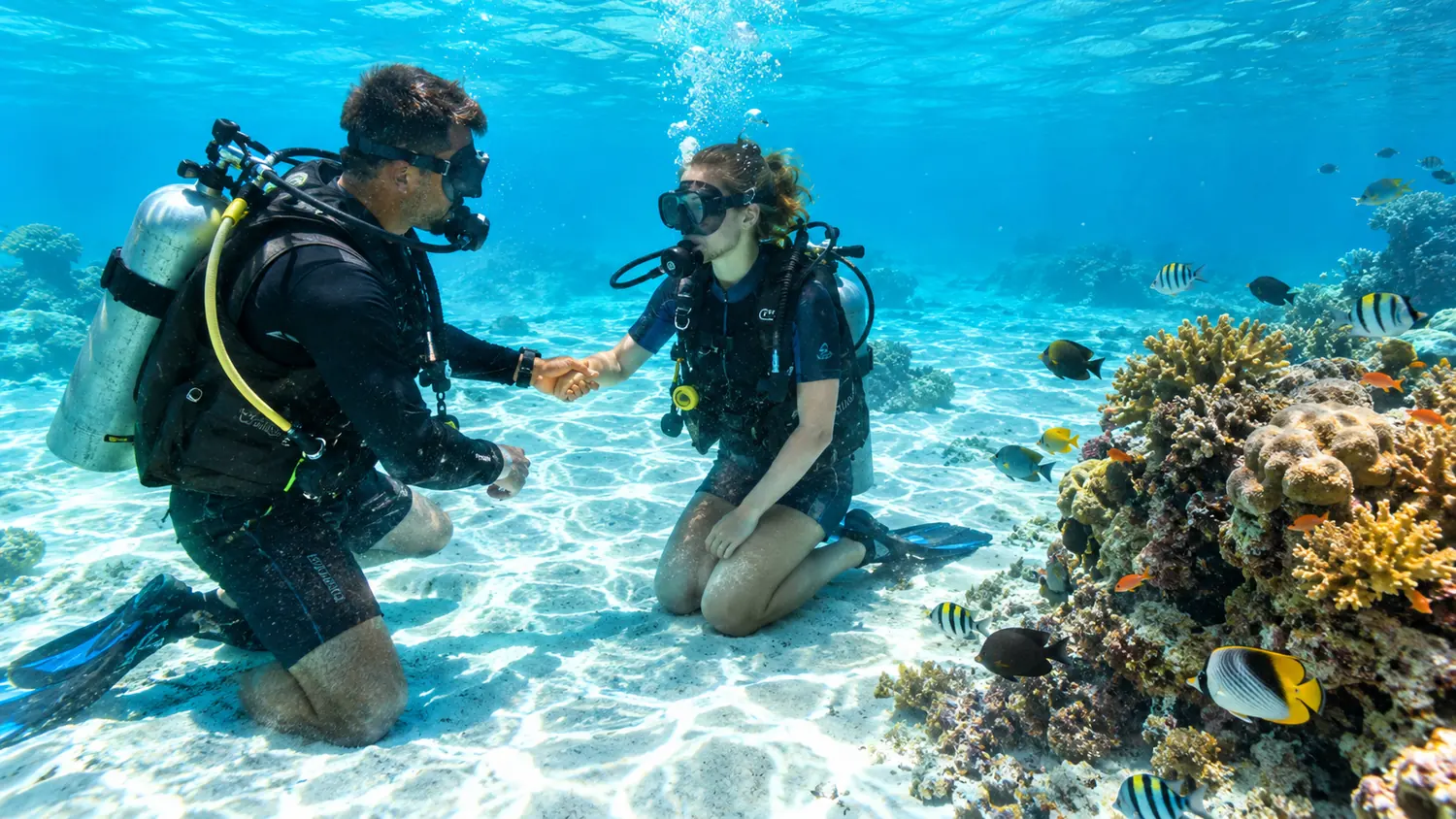
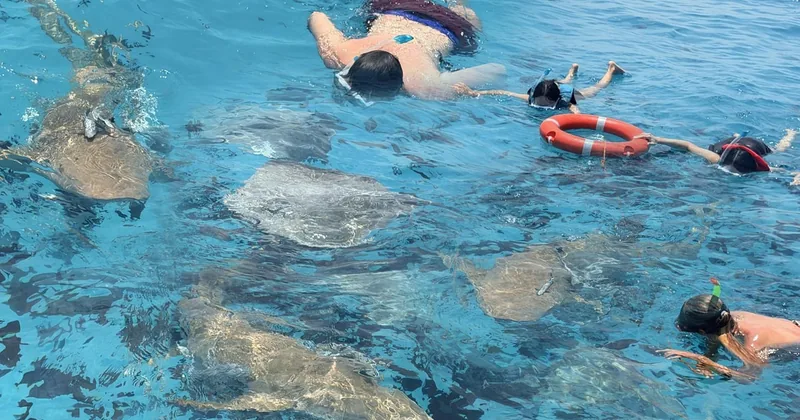
Three hours from Malé or Hulhumalé with a guide in the water and a lifeguard on board: a coral reef, the nurse shark point and a sandbank.
Check dates for the nurse shark, reef and sandbank tripCan non-swimmers go snorkeling in the Maldives?
Yes, on most trips. Non-swimmers join with a life vest and a guide beside them, float face down at the surface and watch the reef below, and reviewers on the Maafushi trips say the crews are very patient with them.
The stops on these trips are chosen so you can float rather than swim: you lie on the surface in a life vest, breathe through the snorkel and keep the guide at your side. On the Maafushi sharks, rays and dolphins day reviewers mention crews who were very patient with non-swimmers and photos taken without haste, and on the Maafushi coral garden and turtle trip reviewers say the crew was patient with a 5-year-old and the trip was fine for non-swimmers.
Two trips ask for more. The stingrays and three reefs snorkel is intense and suits confident swimmers, and the Villimalé island snorkel asks that you can swim, from age 10. If you would rather stay dry, the submarine and the sunset dolphin cruise are in first dive, snorkel or submarine.
Are the nurse sharks on snorkel trips safe to swim with?
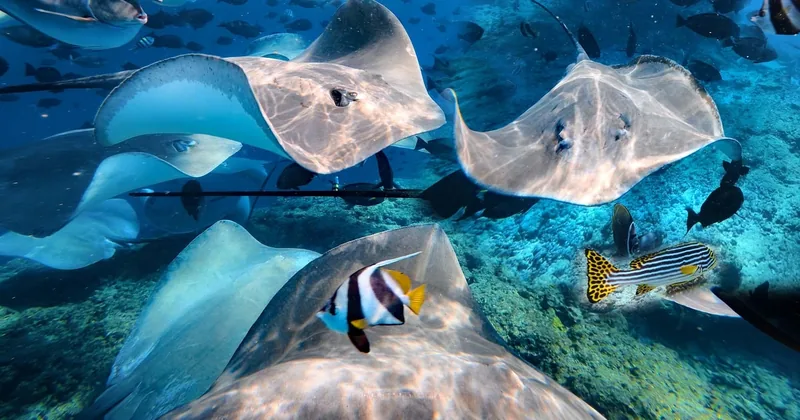
Yes. Nurse sharks are slow, calm, bottom-resting sharks that are safe to snorkel near, and the stingrays at the same spots are just as relaxed. Keep your hands to yourself, don't feed them and give them space.
The nurse shark points near Malé and Maafushi are shallow sandy spots where nurse sharks and stingrays gather, often in large numbers. They gather there because boats used to throw food, and they still link boat engines with a meal, which is why they come so close. Shark feeding is illegal in the Maldives, and this site never encourages it; if you see scraps thrown, simply don't join in. Touching marine life is not allowed on the nurse shark trip, and that is the right rule everywhere.
Sharks have been protected here since 2010, and reef sharks remain a common sight on the outer reefs. They are shy and usually keep their distance from snorkelers.
What will you see snorkeling near Malé?
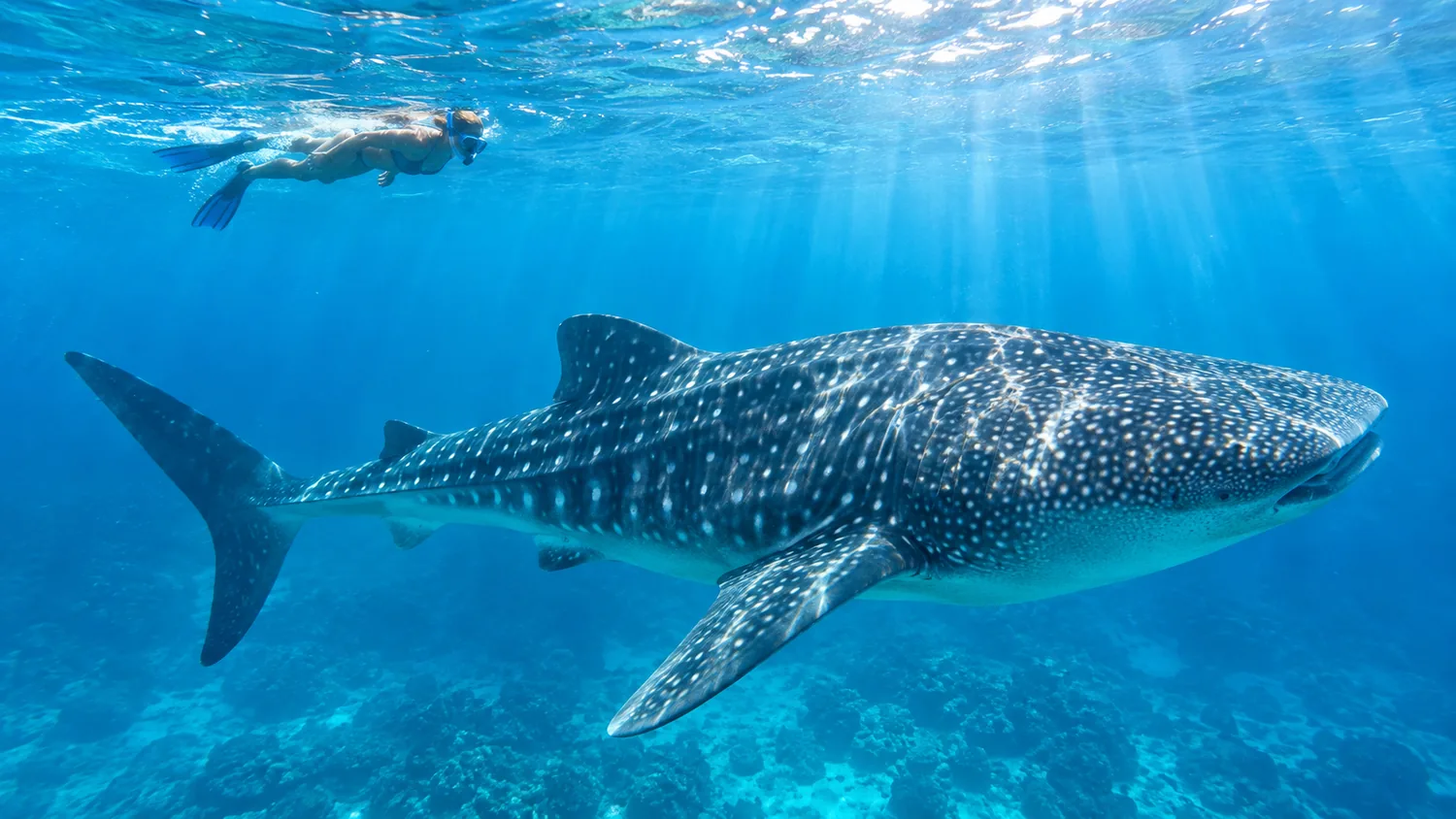
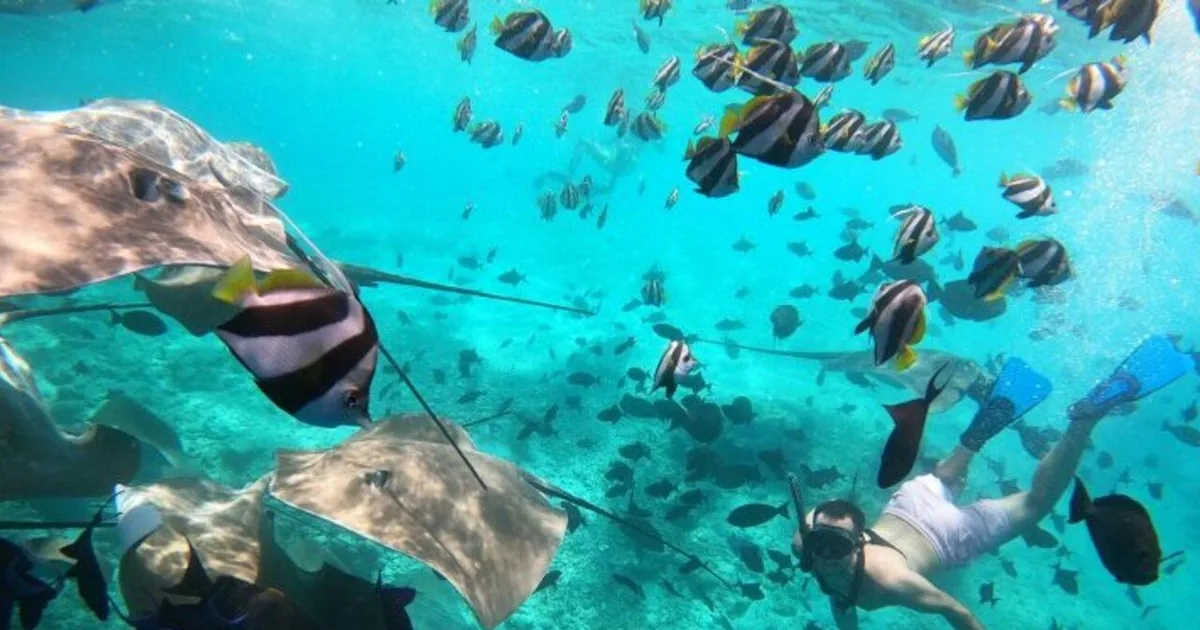
Turtles, nurse sharks, stingrays and plenty of reef fish on most trips, sometimes reef sharks and eagle rays, and spinner dolphins from the boat. Whale sharks and the big manta gatherings need a longer journey.
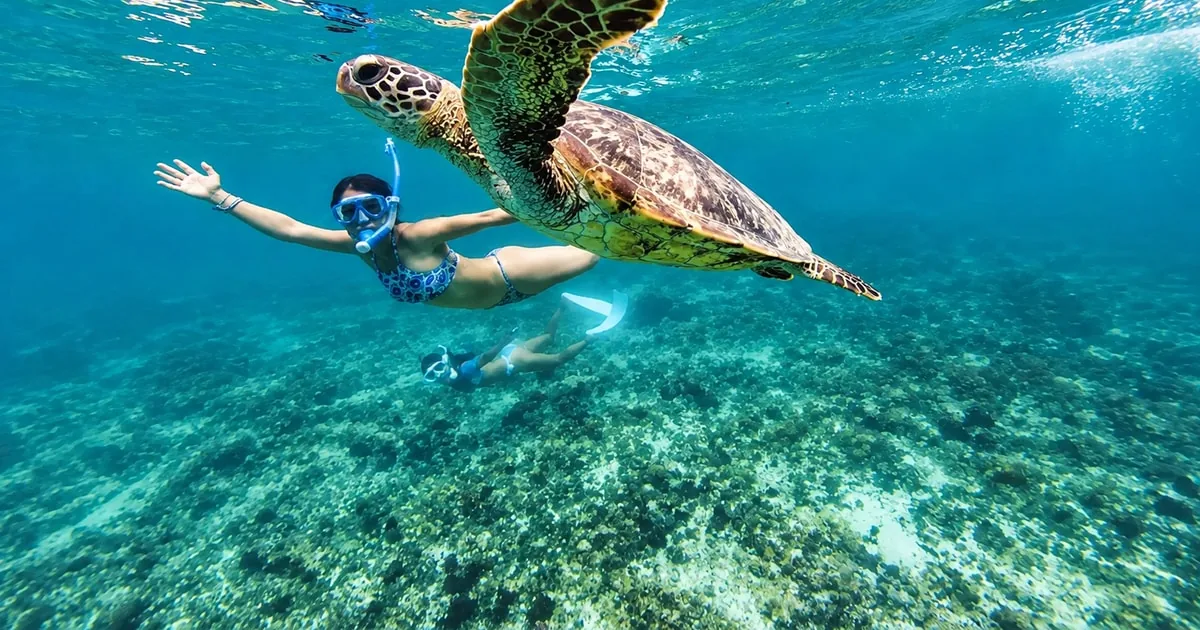
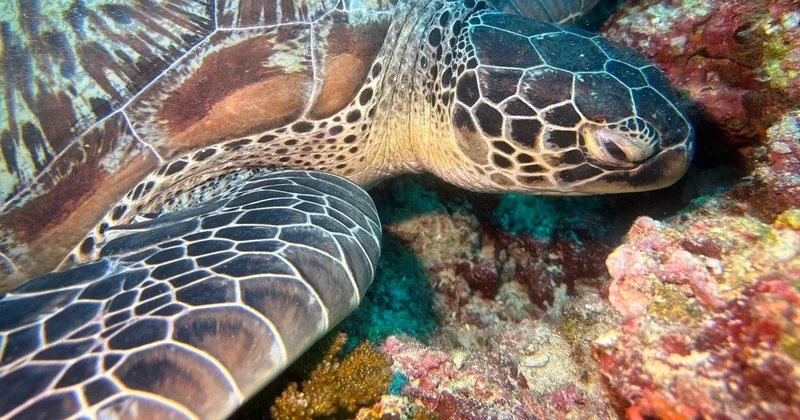
Green and hawksbill turtles are the two you usually meet, grazing on the reef or rising to breathe; all sea turtles have been fully protected in the Maldives since 2016. Schools of reef fish fill the outer slopes, and the nurse shark points add stingrays on the sand. On the way out, many boats pass the channels where spinner dolphins rest by day: you watch them from the boat rather than swim with them.
Sandbank stops follow the tide, so departure times shift from day to day. The trips with a sandbank stop are on the homepage.
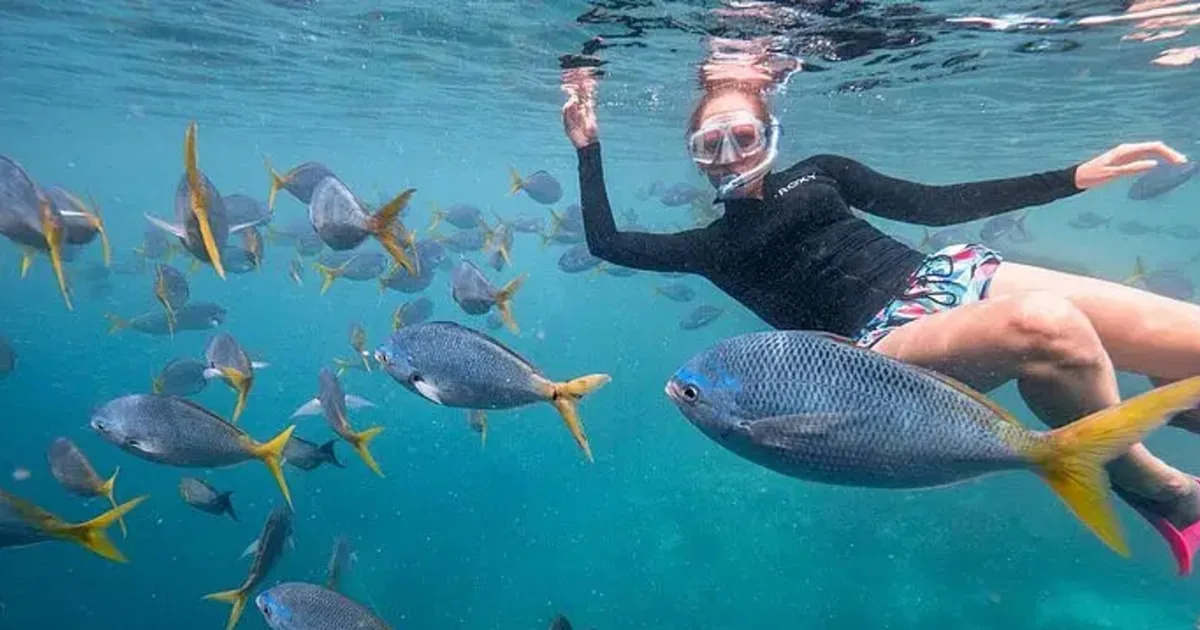
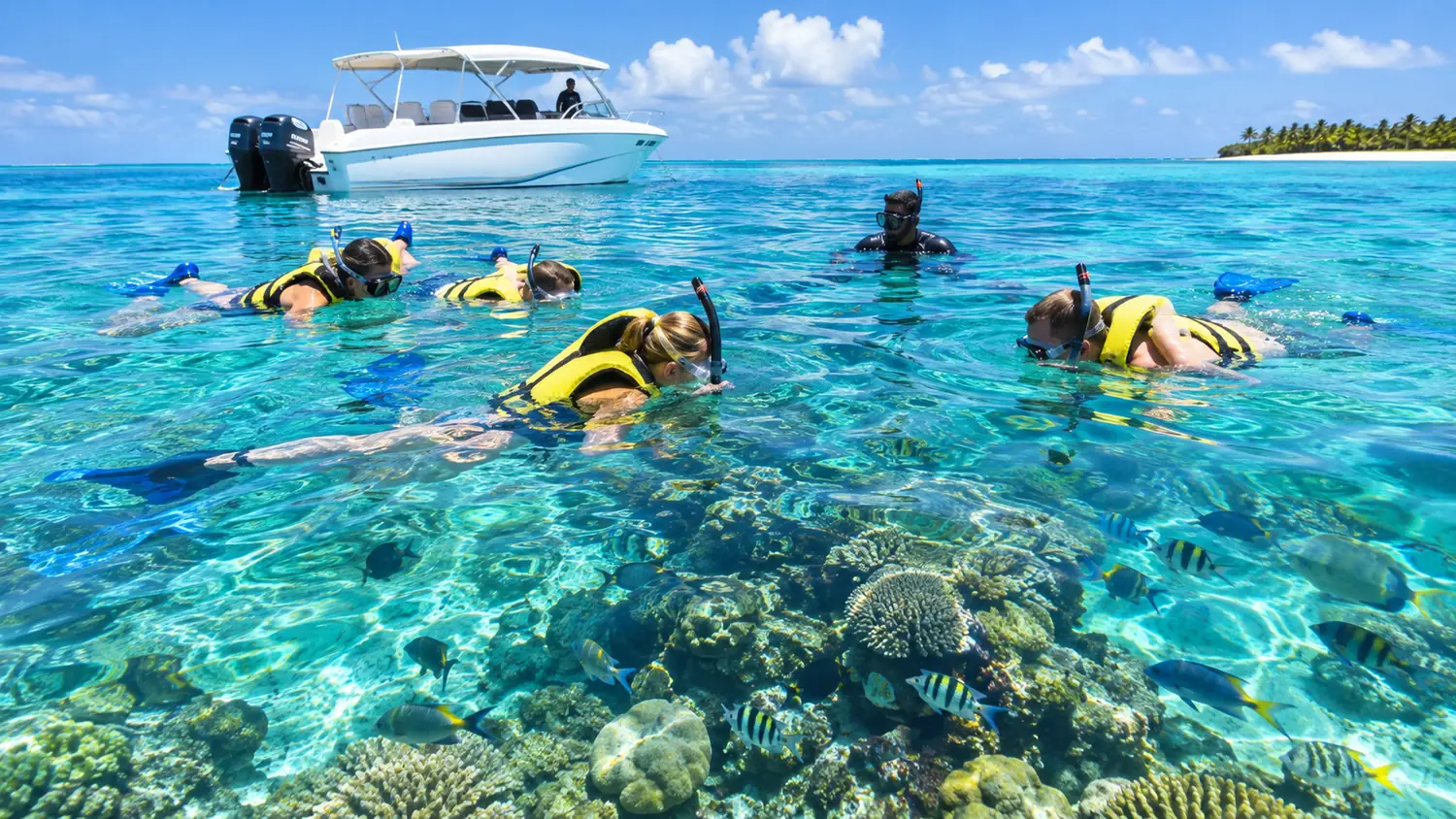
An easy half day from Maafushi: a coral garden, a turtle reef and lunch on a sandbank, with underwater photos of your group.
Check dates for the Maafushi coral garden and turtle tripWhich Maldives snorkel trip should you book?
From Malé or Hulhumalé with a few hours, the nurse shark trip; for a full day with lunch, the Hulhumalé boat trip; on Maafushi, the sharks, rays and dolphins day or the shorter turtle trip. Confident swimmers who want more reefs should pick the stingrays and three reefs snorkel.
Times are approximate, and sandbank stops follow the tide. All six refund in full if you cancel up to 24 hours ahead, and every option, including the trips beyond snorkeling, is compared on the homepage.
| Trip | Starts | Time | Highlights | Best for |
|---|---|---|---|---|
| Nurse sharks, reef and sandbank | Pickup in Malé, Hulhumalé, the airport or the cruise pier | 3 hours | A coral reef where turtles are often seen, the nurse shark point, a sandbank; a guide in the water and a lifeguard on board | First-timers and short stays; 4.8 from 112 reviews |
| Maafushi sharks, rays and dolphins | Maafushi, about 06:00 to 07:00 | 7 hours | Nurse sharks, stingrays at a sandbank lunch stop, the dolphin point, underwater photos | Families and non-swimmers on Maafushi; 4.6 from 117 |
| Hulhumalé full-day boat trip | Hulhumalé excursion jetty, leaving at 9:30 | 6 hours | The dolphin channel, a sandbank near Himmafushi, stingrays and reef, lunch on a local island | A relaxed full day; 4.4 from 273 |
| Maafushi coral garden and turtles | Maafushi harbour, about 08:00 to 09:00 | 4 hours | A coral garden, a turtle reef, a sandbank lunch, photos | Young children and easy swimmers; 4.5 from 70 |
| Stingrays and three reefs | Pickup in Malé or Hulhumalé | 3 hours | Three reef stops, including the Fish Tank stingray spot | Confident swimmers; 4.6 from 8 |
| Villimalé island walk and snorkel | Villingili ferry terminal in Malé | 3.5 hours | A short ferry, the island cats, a guided house reef snorkel with fish and sometimes a turtle or eagle ray | Swimmers aged 10 and over who like a local island; 5.0 from 9 |
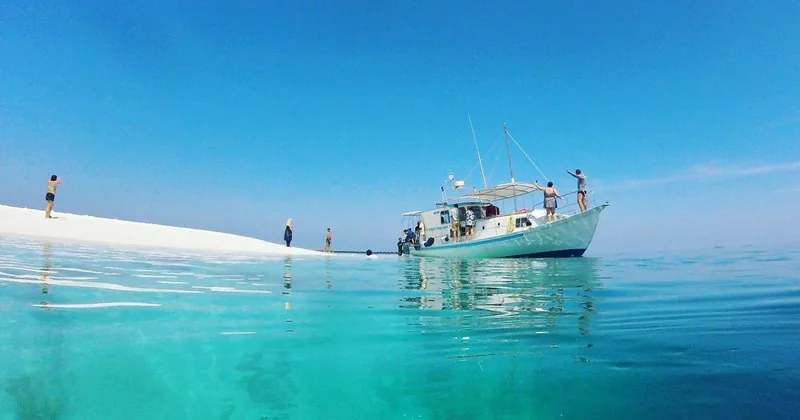
The Hulhumalé full-day boat trip meets at 9:00 at the Hulhumalé excursion jetty, with pickup from Hulhumalé hotels, and leaves at 9:30 for about 6 hours: the dolphin channel, a sandbank near Himmafushi, stingray and reef snorkeling, and a local island visit with lunch. Snorkel gear, a life jacket, water, a towel and the guide are included. Groups are bigger, and on a busy day they may split across two boats, but reviewers enjoy the many stingrays, the dolphins on the way and the island lunch, and the crew adjusts the plan to the weather.
Explore the Hulhumalé full-day boat tripHouse reef or boat trip?
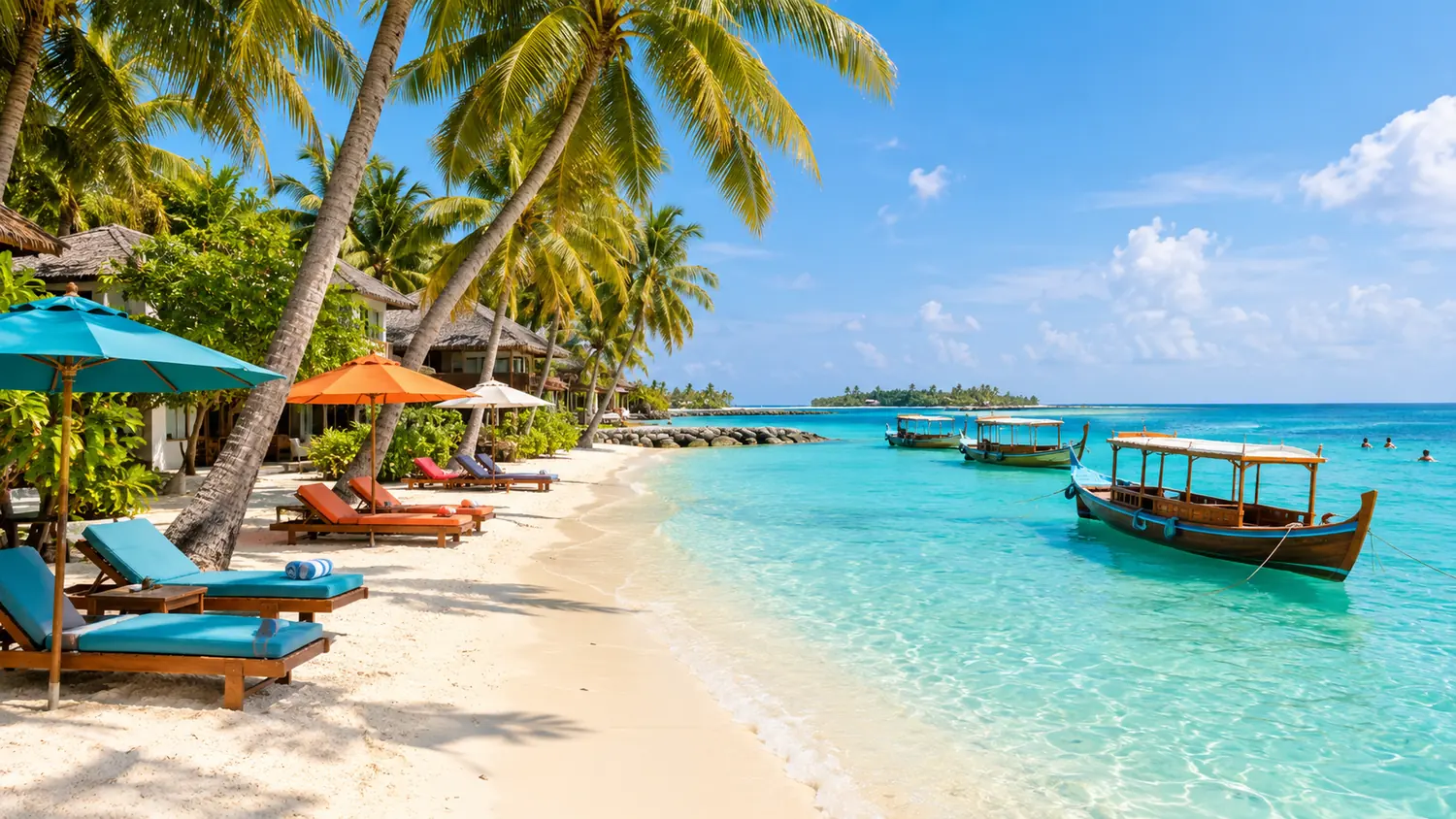
A resort house reef is right off the beach, so you snorkel whenever you like; on guesthouse islands such as Maafushi and on Malé and Hulhumalé you usually need a boat to reach good reef. There, a snorkel trip is the normal way to see coral.
Resorts are built on their own reefs, and the best house reefs drop away a few strokes from the sand. Inhabited islands have harbours, breakwaters and busy lagoons, so their beaches are better for a swim than for coral. The boat trips solve that: within an hour or two you reach the outer reefs, the turtle spots and the sandbanks.
A close-to-town exception is Villimalé, also called Villingili, a short ferry ride from Malé. The Villimalé island walk and snorkel adds a guided snorkel on its house reef, with fish and sometimes a turtle or an eagle ray, to a walk with the island's cats. You need to be able to swim, and modest swimwear such as a rash guard and shorts is suggested on the island. More about staying on a local island is in Maafushi excursions.
Is the coral in the Maldives still alive after bleaching?
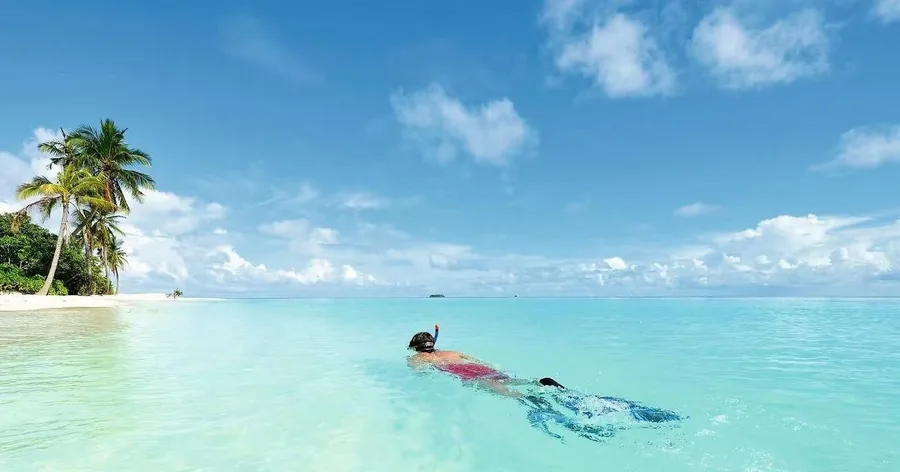
Yes. Reefs near Malé took a hit in 2024 and are recovering unevenly; the outer reef slopes and channels, where most snorkel boats go for fish, turtles and rays, still deliver lively snorkeling.
In 2024 record sea temperatures bleached reefs across the central atolls, including North and South Malé and Ari, and many lost much of their branching and table coral. 2025 passed without mass bleaching, and recovery is under way, faster on the cooler outer slopes than in the inner lagoons. Southern atolls such as Huvadhoo came through without detectable coral loss. What you see on a trip today is a reef in recovery: patches of new growth, sturdy older corals and fish life that remains rich.
The best thing a visitor can do is keep off the coral and choose a guided trip that does the same.
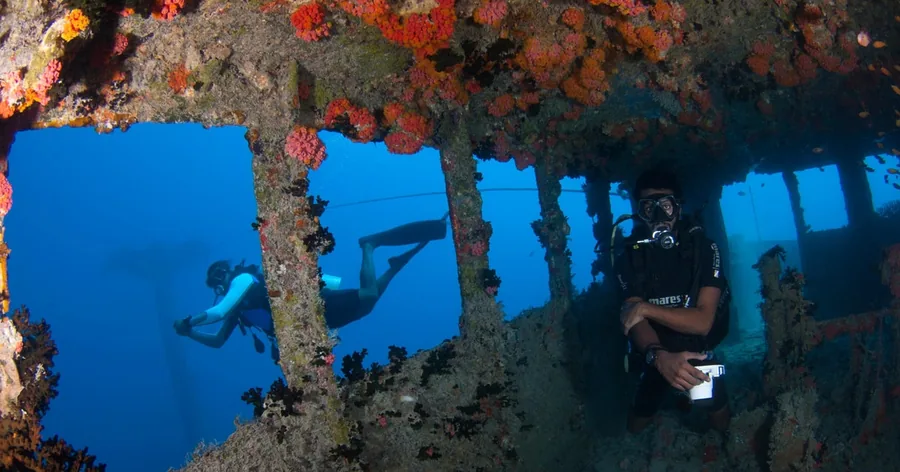
For confident swimmers who want more time in the water: three snorkel stops in three hours, including the Fish Tank stingray spot.
Check dates for the stingrays and three reefs snorkelWhat should you bring, and how should you behave on the reef?
Bring a rash vest, mineral sunscreen, a hat and water, plus seasickness tablets if you are prone. On the reef: no touching or standing on coral, no feeding, and nothing taken home.
- Rash vest: a long-sleeve swim top protects you from the equatorial sun better than reapplying lotion on a long boat day.
- Mineral sunscreen: zinc oxide or titanium dioxide formulas are good practice for the reef.
- Hands off: don't touch or stand on coral, and don't touch turtles, sharks or rays.
- No feeding: never feed fish, sharks or stingrays.
- Leave it there: taking coral or shells home is not allowed, and they are confiscated at the airport.
- Seasickness tablets: take one before the boat leaves if you are prone.
- Your own mask: masks are provided, but one that fits you well makes a real difference.
- Island clothes: on trips with a local island stop, cover shoulders and knees in the village.
Frequently asked questions
Do I need my own snorkel gear?
No. Every snorkel trip on this site includes a mask, snorkel and fins, and life jackets are on board. Bring your own mask if you have one that fits well.
Can children go on snorkel trips in the Maldives?
Yes. The Maafushi turtle trip and the Maafushi sharks, rays and dolphins day are family friendly, with life vests for weaker swimmers; the Villimalé snorkel starts at age 10 and asks that children can swim.
Why do sandbank times change from day to day?
Sandbanks shrink at high tide. The tidal range is only about 1 m, but that is enough to cover a low sandbank, so crews plan the stop around low tide on your date.
Which snorkel trip has the best chance of turtles?
The Maafushi coral garden and turtle trip visits a turtle reef by design, and on the nurse shark trip from Malé turtles are often seen at the first reef stop.
Ready to book
Choose your trip
Check your date and the live price on GetYourGuide; the refund terms are shown on each option.
Nurse Sharks, Reef & Sandbank
- Pickup in Malé, Hulhumalé or at the airport
- Speedboat with shade and an onboard toilet
- Mask, snorkel, fins and a life jacket
Stingrays & Three Reefs
Three snorkel stops in three hours, for confident swimmers who want more time in the water
Maafushi Coral Garden & Turtles
A coral garden, a turtle reef and a sandbank lunch, an easy half day with photos